

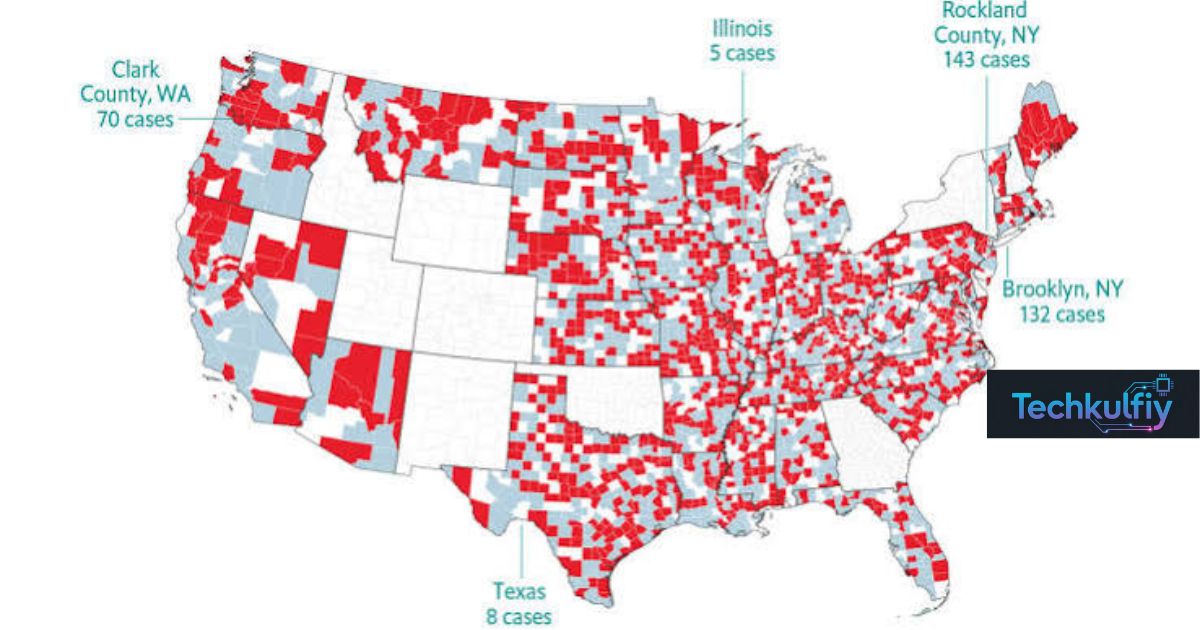
The Measles Outbreak in the USA has become an important public health story in 2026, with thousands of confirmed cases reported nationwide. The rise in US measles cases has drawn attention to measles symptoms, vaccination coverage, and the importance of preventing further transmission.
Measles is a highly contagious disease that can cause fever, cough, red eyes, and a distinctive skin rash. Although many people recover, serious measles complications can occur, making MMR vaccination and timely medical guidance important for protecting vulnerable people.
In this article, you will learn about the Measles Outbreak in the USA, how the virus spreads, who faces a greater risk of complications, and what families can do after possible exposure. You will also discover why public health prevention and accurate information matter during an outbreak.
What Is Happening With the Measles Outbreak in the USA?
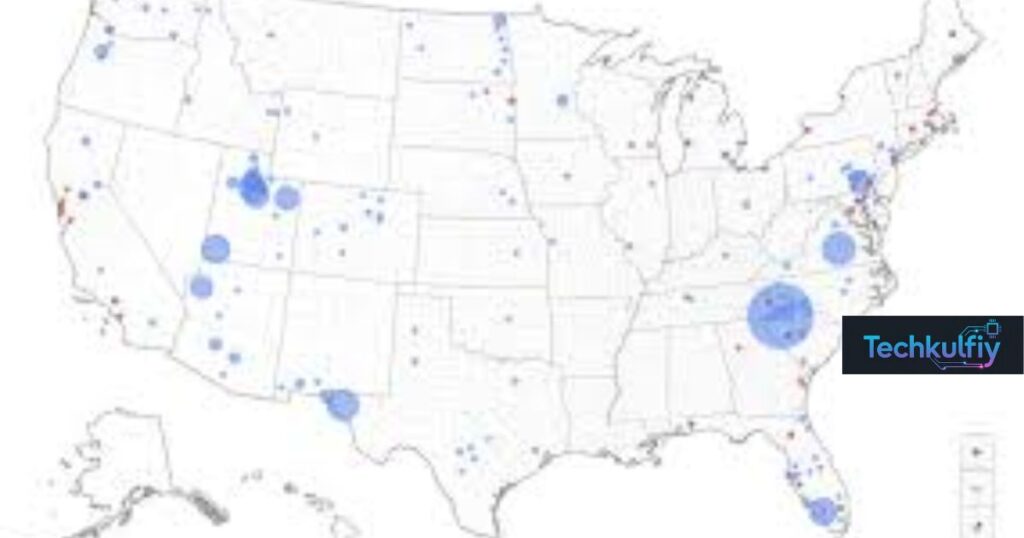
The Measles Outbreak in the USA is part of a wider resurgence of a disease that had previously become uncommon in the country. On October 9, 2026, the CDC reported 4,080 confirmed cases for the year as of October 8. The increase has raised concerns among public health professionals about gaps in vaccination and the possibility of further community transmission.
Pennsylvania has been a major focus of recent reporting. News reports published on October 12 and 13 described more than 1,100 cases in the state and reported a sixth measles-associated death according to state and local authorities. State and federal death counts have differed because officials have used different reporting and classification approaches.
These figures show why it is important to check the date and source of any outbreak report. Case numbers can change as laboratories confirm infections and health departments update their records. State totals and national totals may also be updated on different schedules.
The Measles Outbreak in the USA does not mean every American community is experiencing the same level of risk. Outbreaks can be concentrated in particular communities, schools, or regions, while other areas report fewer cases. Local health departments provide the most relevant information about known exposures and recommendations in a specific location.
For readers following US measles cases, the key message is to rely on current public health information rather than rumors or outdated social media posts. The outbreak is serious, but accurate information helps families make informed decisions without unnecessary panic.
Why Are Measles Cases Increasing in America?
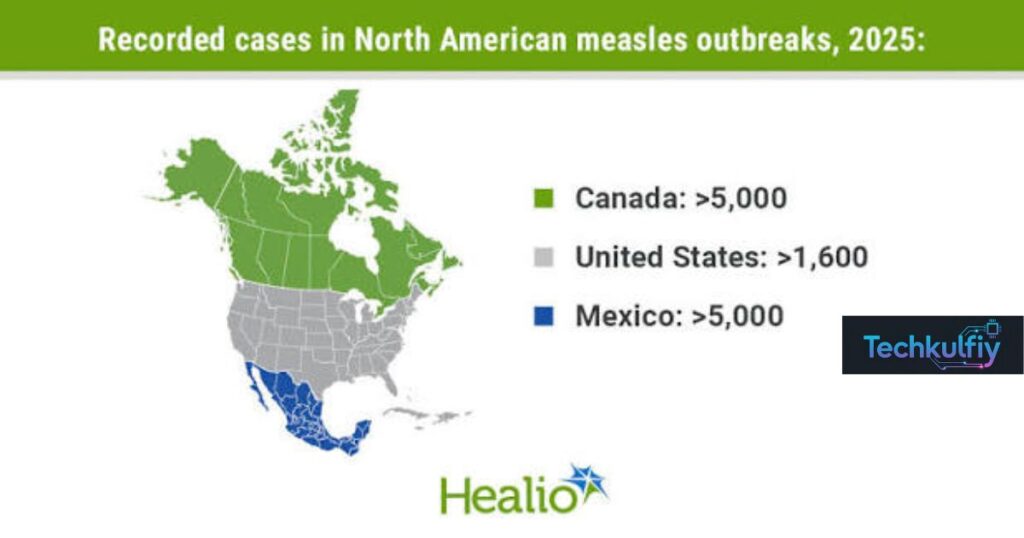
Several factors can contribute to a measles outbreak. The most important is the presence of people who are susceptible to infection. When vaccination coverage falls or groups of unvaccinated people live, study, travel, or gather together, the virus may spread more easily after it is introduced.
Low vaccination rates can leave gaps in community protection. Some people may have missed routine childhood vaccinations, while others may have incomplete records or medical reasons that affect vaccination decisions. In some communities, misinformation and difficulty accessing healthcare can also create barriers.
International and domestic travel can introduce measles into places where the virus is not currently spreading. Because the disease is highly contagious, an infected traveler may expose other people before the illness is recognized. If susceptible people are present, additional infections can follow.
The Measles Outbreak in the USA also highlights the importance of community immunity, sometimes called herd immunity. When a sufficiently high proportion of a community is immune, transmission becomes harder to sustain, helping protect people who cannot receive certain vaccines or who have not developed full immunity.
The CDC notes that approximately 95% vaccination coverage is generally needed to maintain community protection against measles. The exact level of protection in a community depends on several factors, including how people interact and whether immunity is evenly distributed.
Outbreaks are not always caused by a single factor. Vaccination gaps, travel, delayed diagnosis, and close contact can combine to create conditions for wider spread. Understanding these factors helps explain why measles prevention requires both individual protection and coordinated public health efforts.
What Are the Symptoms of Measles?
Recognizing measles symptoms is important because early identification can help reduce further exposure. Symptoms commonly begin around 7 to 14 days after infection, although the interval can vary.
The illness often begins with a high fever, cough, runny nose, and red, watery eyes. Small white spots may appear inside the mouth before the characteristic skin rash develops. The rash usually begins on the face or near the hairline and spreads downward to other parts of the body.
As per Measles Outbreak in the USANot every person experiences every symptom in exactly the same way. A rash can have other causes, and fever with red eyes does not automatically mean someone has measles. Medical professionals consider the person’s symptoms, vaccination history, travel or exposure history, and appropriate testing.
| Symptom | What it may look like |
|---|---|
| High fever | A temperature that may become quite high |
| Cough | Persistent coughing during the early illness |
| Runny nose | Nasal discharge or congestion |
| Red, watery eyes | Eye redness and irritation |
| Mouth spots | Small white spots inside the mouth in some cases |
| Skin rash | A rash that commonly begins on the face and spreads |
The symptoms listed as per Measles Outbreak in the USA above are general information, not a way to diagnose yourself. If you suspect measles, call a healthcare provider before visiting a clinic or emergency department. This allows staff to give instructions that reduce the chance of exposing other patients.
During the Measles Outbreak in the USA, people should take possible exposure seriously, particularly if they are unvaccinated or do not know their vaccination status. Prompt professional advice can help determine what steps are appropriate.
How Does Measles Spread?
As per Measles Outbreak in the USA Measles transmission occurs mainly through the air when an infected person breathes, coughs, or sneezes. The virus can spread very efficiently in shared indoor spaces, and people may be exposed even if they do not have direct physical contact with an infected person.
A person with measles can spread the virus before the rash appears. This can make it difficult to identify every exposure based only on visible symptoms. The virus can also remain in the air in an enclosed space for a period after an infected person has left.
This is why airborne virus transmission is an important part of outbreak response. Health departments may investigate where an infected person spent time and notify people who could have been exposed. Depending on the situation, they may recommend monitoring for symptoms, reviewing vaccination records, or seeking medical advice.
According to Measles Outbreak in the USA Measles spreads more readily than many other common respiratory infections. In a community with low immunity, one infected person can lead to multiple additional cases. Schools, households, healthcare facilities, and crowded indoor settings may require special attention during an outbreak.
The Measles Outbreak in the USA demonstrates why people should not assume that a brief visit or the absence of direct contact automatically eliminates risk. If a health department identifies a possible exposure, follow its instructions and seek individualized advice from a qualified healthcare professional.
Who Is Most at Risk of Serious Measles Complications?
According to Measles Outbreak in the USA Many people recover from measles, but the infection can be dangerous. Measles complications may include ear infections, diarrhea, pneumonia, and, in rare cases, inflammation of the brain. Some complications can require hospitalization and may be life-threatening.
Young children, particularly those who are too young to receive routine vaccination, face increased risks. Pregnant people and individuals with weakened immune systems may also be more vulnerable to serious outcomes. A person’s age, medical history, immune status, and vaccination history can influence the risk.
Pneumonia is one of the serious complications associated with measles. Brain inflammation, although less common, can cause severe and lasting harm. In rare cases, a delayed neurological complication known as subacute sclerosing panencephalitis can develop years after the initial infection.
These possibilities do not mean every infection will lead to severe illness. They explain why public health officials take outbreaks seriously and why prevention matters.
During the Measles Outbreak in the USA, families should be especially careful when a possible exposure involves a baby, a pregnant person, or someone with a weakened immune system. Contact a healthcare professional for guidance rather than waiting for symptoms to become severe.
Seek urgent medical care for serious symptoms such as difficulty breathing, confusion, seizures, or signs of severe dehydration. Call ahead and explain the suspected measles exposure so medical staff can take appropriate precautions.
How Effective Is the MMR Vaccine?
The MMR vaccine protects against measles, mumps, and rubella. It is the principal vaccine used to prevent measles in the United States, and it has a strong record of effectiveness.
According to the CDC, two doses of the measles-containing vaccine are approximately 97% effective at preventing measles, while one dose is approximately 93% effective. No vaccine is perfect, but vaccination substantially reduces the likelihood of infection and helps limit outbreaks.
Routine childhood vaccination schedules generally include a first MMR dose at 12 to 15 months and a second dose at 4 to 6 years. Some people may need different timing based on travel, exposure, age, medical circumstances, or public health recommendations.
Adults should not assume that they are protected without considering their vaccination history and circumstances. People who are unsure whether they received the recommended doses can discuss their records with a healthcare professional.
The Measles Outbreak in the USA has renewed attention to MMR vaccine effectiveness and the importance of completing recommended vaccination. People with specific medical conditions or a possible recent exposure should obtain individualized advice because live vaccines, including MMR, are not appropriate for everyone.
Vaccination decisions should be based on reliable medical information and professional guidance. The MMR vaccine is widely recommended because its benefits in preventing measles and its complications are substantial.
What Should You Do After Possible Measles Exposure?
If you believe you have been exposed to measles, contact a healthcare provider or local health department promptly. Do not enter a waiting room without first explaining the possible exposure, because doing so could put other people at risk.
Officials may ask when and where the exposure occurred, whether you have symptoms, and whether you have documentation of vaccination or previous immunity. These details help determine the appropriate next steps.
Depending on the timing and circumstances, a healthcare professional may recommend vaccination or another form of post-exposure management. Certain interventions are time-sensitive, so prompt advice is important. Do not attempt to make these decisions solely from a social media post or a general online article.
If you develop symptoms, follow professional instructions about staying away from other people and seeking evaluation. Do not attend school, work, social events, or other gatherings while waiting for guidance if measles is suspected.
During the Measles Outbreak in the USA, people who may have been exposed should follow official instructions for symptom monitoring and any recommended restrictions. The appropriate advice may differ depending on immunity, age, pregnancy, and medical conditions.
How Schools and Families Can Help Prevent Measles
Schools and families can help reduce transmission by keeping vaccination records current and responding promptly to notices from public health officials. School vaccination requirements and exemption rules vary by state, so families should consult their school district and state health department for local requirements.
Parents and guardians should review children’s immunization records with a qualified healthcare professional. If a child has missed recommended doses, the healthcare provider can explain the appropriate schedule based on the child’s age and medical history.
Schools may need to cooperate with health departments when an exposure is identified. Depending on local rules and the circumstances, officials may recommend monitoring, testing, vaccination review, or temporary exclusion of susceptible people.
Families can also help by avoiding the spread of misinformation. Share updates from recognized health authorities rather than unverified claims, and respect the privacy of anyone affected by an outbreak.
The Measles Outbreak in the USA shows that school vaccination requirements, community awareness, and timely communication can all play a role in protecting children and staff. These steps work best when families, schools, healthcare professionals, and public health agencies cooperate.
How Measles Outbreaks in the USA Affect Travel and Public Events
Travel can contribute to the movement of measles between communities. People may encounter the virus at airports, on public transportation, in hotels, at events, or in other shared spaces. The risk depends on whether an infectious person was present and whether others were susceptible.
According to Measles Outbreak in the USA Travelers should review their vaccination history before international trips and consult a healthcare professional if they are unsure about their immunity. Some destinations or situations may require special vaccination timing, particularly for infants or people traveling during an outbreak.
People planning to attend crowded events should pay attention to local health notices if an exposure has been reported. This does not mean everyone should cancel ordinary activities because of national case numbers. It means people should use current, location-specific information when making decisions.
If a health department announces an exposure at a particular venue, follow its guidance rather than relying on speculation. A notice may include the relevant date, time, location, and recommendations for people who were present.
The Measles Outbreak in the USA is a reminder that travel health precautions and vaccination records matter even when a destination has not recently reported many cases. People with possible exposure or medical risk factors should seek advice tailored to their circumstances.
Common Myths About Measles
According to Measles Outbreak in the USA One common misconception is that measles is always a mild childhood illness. Although many people recover, measles can cause serious complications and occasionally death. The risk is one reason health authorities continue to recommend vaccination.
Another myth is that a person cannot spread measles until the rash appears. In reality, people can be contagious before the rash develops, which makes early identification and exposure investigation important.
Some people also believe that natural infection is a better way to gain immunity than vaccination. However, infection carries the risk of serious complications. The MMR vaccine provides strong protection without requiring someone to experience the disease itself.
A further misconception in Measles Outbreak in the USA is that measles is no longer a concern in the United States. Although vaccination previously brought cases down substantially, infections can return when the virus is introduced into communities with gaps in immunity.
During the Measles Outbreak in the USA, the most reliable response is to check claims against trustworthy medical and public health information. Avoid sharing unverified treatment advice or claims that contradict established evidence.
What Could Happen Next With the Measles Outbreak in the USA?
The future course of the Measles Outbreak in the USA will depend on several factors, including vaccination coverage, new introductions of the virus, outbreak investigations, and how quickly susceptible contacts receive appropriate guidance.
During Measles Outbreak in the USA Public health authorities may continue investigating cases, identifying exposure locations, providing information to healthcare providers, and encouraging people to review their vaccination status. The effectiveness of these efforts depends partly on timely reporting and cooperation from affected communities.
National case totals may rise as previously unreported infections are confirmed. They may also be revised as authorities review data. For that reason, a report should always be understood in the context of its publication date and the data cutoff it uses.
During Measles Outbreak in the USA Individuals can help by keeping vaccination records available, seeking professional advice after possible exposure, and following local public health instructions. Families should also avoid treating every online report as proof that an outbreak is occurring in their own neighborhood.
The Measles Outbreak in the USA is a significant public health issue, but its trajectory is not predetermined. Accurate information, recommended vaccination, and coordinated public health responses can help reduce transmission and protect vulnerable people.
Frequently Asked Questions
1. How many measles cases have been reported in the USA in 2026?
In Measles Outbreak in the USA The CDC reported 4,080 confirmed measles cases as of October 8, 2026, in its October 9 update. Counts can change as new cases are confirmed and reporting is updated.
2. Is the measles outbreak affecting every US state?
No in Measles Outbreak in the USA The number of reported cases varies by state and locality. Check your state or local health department for the most relevant information about nearby cases and known exposures.
3. What are the first symptoms of measles?
During Measles Outbreak in the USA Early symptoms commonly include fever, cough, runny nose, and red, watery eyes. A rash typically develops later. These symptoms can have other causes, so suspected measles requires professional guidance.
4. Can vaccinated people get measles?
It is possible, because no vaccine is 100% effective. However, two doses of the MMR vaccine provide approximately 97% protection against measles.
5. What should I do if I think I have been exposed?
Contact a healthcare provider or health department promptly and explain the possible exposure. Call before visiting a medical facility to reduce the risk of exposing others.
6. Is measles dangerous for children?
Measles can cause serious complications in children, especially young children and those who are not fully protected. Parents should consult a healthcare professional about vaccination and suspected exposure.
7. Can measles spread before the rash appears?
Yes. People can be contagious before the characteristic rash develops. This is one reason public health officials investigate possible exposures rather than relying only on visible symptoms.
8. How can American families protect themselves during the outbreak?
Review vaccination records with a healthcare professional, follow local health advisories, seek prompt advice after possible exposure, and avoid sharing unverified medical claims.
Conclusion
The Measles Outbreak in the USA has brought renewed attention to vaccination, disease awareness, and community health in 2026. Rising case numbers underline the importance of recognizing possible symptoms, understanding how measles spreads, and following guidance from qualified healthcare professionals and public health authorities.
The most effective protection starts with recommended vaccination and timely action after a possible exposure. Families can review immunization records, schools can cooperate with local health departments, and travelers can seek advice before trips when their vaccination status is uncertain.
Although the outbreak is a serious concern, accurate information is more useful than fear or speculation. Check current reports, follow location-specific health advice, and contact a healthcare professional if you suspect exposure or develop symptoms. Consistent prevention efforts can help protect individuals and reduce the risk of further spread across American communities.

About the Author
The author at TechKulfiy writes informative articles about technology, software, digital platforms, and IT solutions. The goal is to make complex topics easier to understand by providing clear explanations, practical insights, and helpful information. Each article aims to help readers explore technology topics and make informed decisions.