
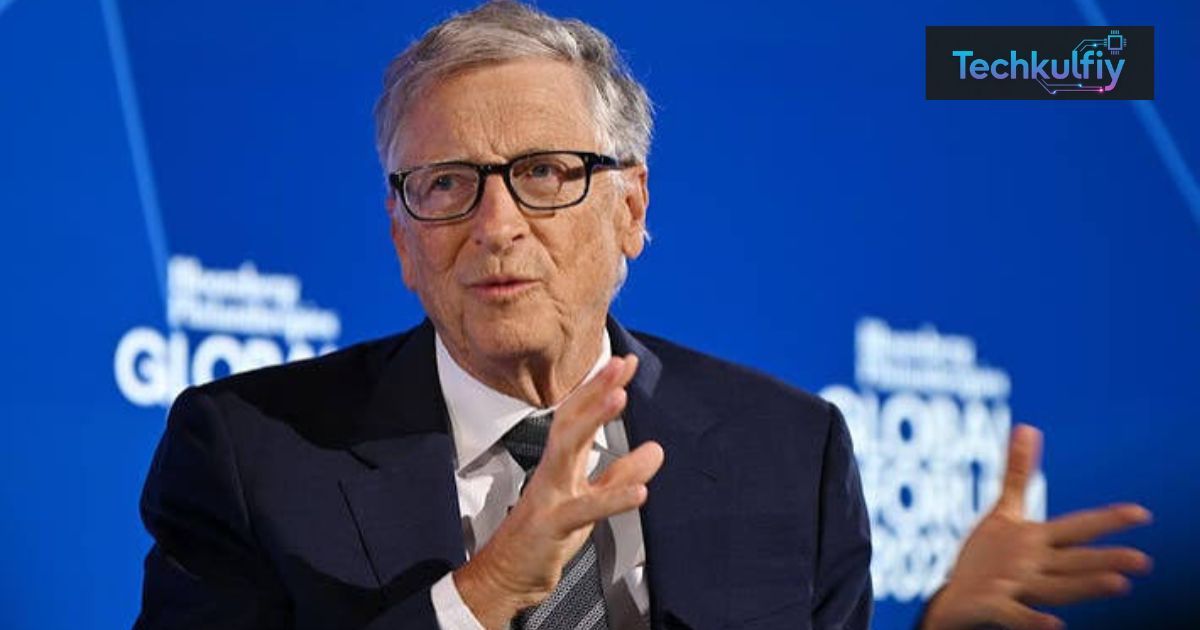
The Bill Gates AI threat 2026 refers to Bill Gates’s warning that artificial intelligence could make cyberattacks more dangerous when criminals use powerful AI tools without proper safeguards. His concerns highlight the growing connection between artificial intelligence, cybersecurity threats, and online crime.
Imagine receiving an email that looks exactly like a message from your bank, your employer, or a trusted American company. It sounds convincing, contains personal details, and urges you to act immediately. Could AI help a criminal create that message in seconds? This is one reason AI-powered cyberattacks are attracting growing attention.
The Bill Gates AI threat 2026 warning explains why the misuse of AI deserves attention now. This article explores AI cybersecurity risks, automated scams, data theft, business security, and the practical steps US consumers and companies can take to protect themselves.
What Is the Bill Gates AI Threat 2026 Warning About?
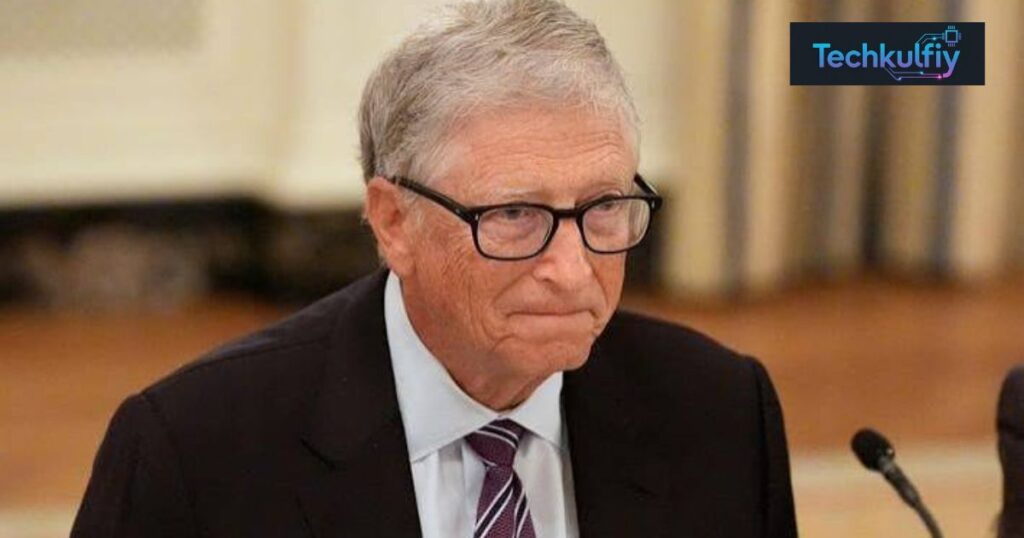
The Bill Gates AI threat 2026 warning centers on the possibility that criminals could use advanced artificial intelligence to make cyberattacks more effective, easier to prepare, and harder for ordinary people to recognize.
AI tools can generate text, analyze information, assist with programming, and automate repetitive tasks. These capabilities are useful for legitimate work, but they can also be misused.
For example, a criminal might use AI to create a convincing phishing message that imitates a company’s communication style. Another attacker might use AI-assisted tools to study publicly available information about a target before attempting to compromise an account.
Gates has also expressed concern about the broader risks of unregulated artificial intelligence, including the danger of removing safety protections from powerful systems. His warning emphasizes that the people using AI can be as important to security as the technology itself.
This distinction matters. AI does not need to become independently malicious for it to contribute to cybercrime. A person with harmful intentions may use AI to perform tasks more quickly or lower the technical barriers to certain attacks.
The Bill Gates AI threat 2026 warning therefore raises questions about access controls, security testing, oversight, and accountability.
For American businesses and consumers, the practical concern is how to benefit from AI without making online accounts, company networks, and sensitive information easier to attack.
Why Does Bill Gates Believe AI-Powered Cyberattacks Could Increase?
One reason for the concern is that AI can make certain cybercrime activities more accessible. Tasks that once required considerable writing, research, or programming effort may become easier with AI assistance.
Consider phishing, a common type of online fraud. Criminals often send messages designed to trick people into revealing passwords, payment details, or other sensitive information.
Traditional phishing messages may contain spelling errors, awkward wording, or suspicious formatting. AI can help criminals produce more polished messages that sound natural and imitate familiar business communication.
AI can also help translate messages into different languages, allowing criminals to target people in different countries. For American consumers, this means that a scam message may look professionally written even when it comes from an untrustworthy source.
Another concern is automation. Criminals may use software to perform repetitive activities at scale, while AI can assist with analyzing information or adapting content for different targets.
However, AI does not automatically make every attack successful. Security controls, account protections, monitoring systems, and user awareness still make a difference.
The Bill Gates AI threat 2026 warning is about the possibility that the combination of capable technology, malicious intent, and inadequate safeguards could create more serious problems.
That is why organizations need to improve their defenses rather than assume that traditional security practices will always be sufficient.
How AI Could Change Cybersecurity Threats in the United States
The Bill Gates AI threat 2026 issue is relevant to several forms of online crime that already affect American individuals and organizations.
One major concern is AI-powered phishing. Criminals may generate personalized messages that imitate banks, delivery companies, employers, or government services. These messages can create urgency and pressure recipients into clicking unsafe links or sharing information.
Another risk involves identity impersonation. AI-generated voices, images, and videos can be used to imitate real people. A fraudulent caller might pretend to be a manager asking an employee to transfer money or a relative requesting emergency assistance.
There is also the risk of automated fraud. Criminals may use AI to prepare convincing fake advertisements, customer support conversations, or investment promotions. These scams can appear professional while making misleading promises.
Businesses face additional concerns involving exposed software, compromised credentials, and the misuse of AI tools connected to internal systems.
The table below summarizes common risks and the protections that can help.
| AI-related threat | Potential impact | Useful protection |
|---|---|---|
| AI-generated phishing | Stolen passwords or financial information | Verify messages independently |
| Voice and video impersonation | Fraudulent payments or identity misuse | Confirm unusual requests through another channel |
| Automated scam messages | More frequent fraudulent contact | Use spam filters and account security tools |
| AI-assisted software attacks | Potential system compromise | Patch software and monitor unusual activity |
| Data exposure | Loss of confidential information | Apply access restrictions and encryption |
| AI-enabled social engineering | Employees tricked into unsafe actions | Train staff and establish verification procedures |
These risks are not entirely new. Fraud, impersonation, and software vulnerabilities existed before modern AI. What may change is how quickly criminals can prepare certain attacks and how convincingly they can communicate.
The Bill Gates AI threat 2026 warning encourages US organizations to adapt their security practices to this changing environment.
Can AI Make Phishing and Online Scams Harder to Detect?
Yes, AI can make some scams more convincing, although it does not make every fraudulent message impossible to recognize.
Traditional phishing attempts often rely on generic messages sent to large numbers of people. Some contain obvious warning signs, such as unusual grammar, unfamiliar senders, or suspicious requests.
With AI, criminals may be able to create more personalized messages using publicly available information. They might imitate a company’s tone, refer to a recent purchase, or prepare a message that appears relevant to a recipient’s job.
This makes AI phishing scams a concern for American consumers and employees.
Imagine receiving an email that appears to come from your bank. It mentions a transaction and asks you to verify your account immediately. The wording is professional, and the message includes familiar branding.
Instead of trusting the appearance of the email, open your bank’s official application or contact the bank using a verified phone number. Do not use contact information supplied in a suspicious message.
The same principle applies to workplace requests. If someone asks you to send confidential files or approve a payment unexpectedly, verify the request through a separate, trusted communication channel.
AI-generated content can also contain inconsistencies. However, grammar and appearance alone are no longer reliable ways to determine whether a message is legitimate.
The Bill Gates AI threat 2026 warning highlights why phishing prevention should focus on verification, account protection, and secure processes rather than relying only on spotting badly written messages.
How AI Voice Cloning and Deepfakes Could Increase Fraud
AI-generated voices and videos create another challenge for online safety. These tools can imitate aspects of a person’s voice or appearance, potentially making impersonation more convincing.
For example, a criminal could attempt to impersonate a business executive and ask an employee to make an urgent payment. A scammer could also imitate a relative and claim to need emergency financial assistance.
Such situations exploit trust and urgency rather than relying entirely on technical weaknesses.
This is why AI voice cloning scams and deepfake fraud deserve attention as part of the wider AI security discussion.
American businesses can reduce these risks by establishing payment verification procedures. A voice message alone should not authorize a major transfer, a change to supplier banking details, or the release of confidential information.
Families can also agree on a simple verification method for unusual emergency requests. For example, they might call the person back using a known number or confirm the situation through another trusted family member.
Organizations should avoid making sensitive decisions based solely on a video call or a familiar-sounding voice. Digital media can be manipulated, and even genuine accounts may be compromised.
These precautions do not mean every unexpected call is fraudulent. They simply make it harder for criminals to exploit trust.
The Bill Gates AI threat 2026 warning reinforces a useful rule: when a request involves money, credentials, or sensitive information, verify the request independently before acting.
Why Unregulated Artificial Intelligence Creates Additional Risks
The phrase unregulated artificial intelligence refers to AI development or use that lacks sufficient rules, safeguards, oversight, or accountability for the risks involved.
AI systems can provide real benefits in education, healthcare, accessibility, research, and business operations. However, those benefits do not eliminate the need to consider misuse.
One concern is the removal of safety protections from powerful AI models. If a system can be modified or configured to bypass important safeguards, malicious users may have more opportunities to misuse its capabilities.
Another concern is the difference between developing a powerful system and controlling how it is deployed. Even a model designed for legitimate work can create problems if it is connected to sensitive systems without appropriate restrictions.
The Bill Gates AI threat 2026 warning also raises a question about responsibility. Should companies be expected to manage AI risks entirely through their own policies, or should governments establish minimum safety requirements?
Gates has argued that voluntary industry self-regulation alone is insufficient for the most serious risks. Supporters of stronger oversight believe that clear standards and enforcement can encourage safer development and use.
At the same time, regulations need to account for legitimate innovation and the different levels of risk associated with different AI applications. A basic writing assistant does not create the same risks as a powerful system connected to critical infrastructure.
The important point is that AI safety regulations should address actual risks without assuming that every AI tool presents the same danger.
How US Businesses Can Protect Themselves From AI Cyber Threats
American businesses should treat the Bill Gates AI threat 2026 warning as a reason to review their existing cybersecurity practices.
The first step is to protect employee accounts. Strong, unique passwords and multifactor authentication can reduce the chance that a stolen password will be enough to compromise an account.
Companies should also keep software, operating systems, and security tools updated. Updates often address vulnerabilities that attackers could otherwise exploit.
Another important measure is limiting access to sensitive information. Employees and AI applications should only receive the permissions needed for their work. If an account is compromised, restricted permissions can help reduce the potential damage.
Businesses using AI agents should establish rules for how those agents access company systems. An AI tool that drafts reports may not need permission to approve payments or modify customer records.
Employee education is equally important. Staff should know how to identify suspicious requests, report unusual activity, and verify financial instructions before taking action.
| Business security measure | What companies should do |
|---|---|
| Account protection | Require strong passwords and multifactor authentication |
| Software security | Apply updates and security patches promptly |
| Access management | Limit permissions according to job responsibilities |
| Employee training | Teach staff to verify suspicious requests |
| AI governance | Define which tasks AI tools may perform |
| Data protection | Restrict access to confidential records |
| Incident response | Prepare a clear plan for suspected attacks |
| Backup and recovery | Maintain secure backups and test restoration procedures |
These measures are useful whether a criminal uses AI or conventional tools. AI changes the threat environment, but strong security fundamentals remain essential.
The Bill Gates AI threat 2026 warning should encourage organizations to strengthen those fundamentals while assessing the specific risks created by their AI deployments.
What Everyday Americans Can Do to Stay Safe
You do not need advanced technical knowledge to reduce your exposure to AI cybersecurity risks.
Start with your online accounts. Use unique passwords, enable multifactor authentication where available, and keep your phone and computer updated.
Next, be careful with unexpected messages. A message that appears to come from a bank, delivery service, employer, or government agency should not automatically be trusted because it looks professional.
If someone asks you to make an urgent payment, reveal a verification code, or share confidential information, pause and verify the request through an independent channel.
You should also be cautious about sharing personal information publicly. Criminals may use details from social media, public profiles, and other sources to make their messages more believable.
For online shopping and financial services, access the provider through its official application or by entering a known website address yourself. Avoid entering passwords or payment details after following an unexpected link.
Finally, understand that AI detection tools are not perfect. A tool that claims to identify an AI-generated image, voice, or message may make mistakes. Use multiple clues and independent verification rather than depending on a single detector.
The Bill Gates AI threat 2026 discussion is ultimately about preparation. You cannot prevent every scam from reaching you, but you can make it more difficult for a scammer to gain access to your accounts or convince you to take an unsafe action.
Will AI Replace Cybersecurity Professionals or Help Them?
AI can support cybersecurity professionals, but it also creates new responsibilities for the people who protect digital systems.
Security teams can use AI to summarize alerts, organize incident information, examine patterns, and help prioritize suspicious activity. These capabilities may allow professionals to investigate some problems more efficiently.
However, AI tools can also make mistakes. They may produce false alarms, overlook important details, or misinterpret unusual behavior. Human expertise remains important when decisions affect sensitive systems.
There is also a continuing contest between attackers and defenders. Criminals may use AI to improve certain attacks, while defenders use AI to detect suspicious activity and respond more quickly.
The outcome depends on how well organizations design, test, and manage these systems. AI is not automatically more effective on either side.
For US businesses, the priority should be AI-driven cybersecurity that combines automation with human judgment. Organizations need qualified professionals who understand their systems, assess risk, and decide how to respond when an incident occurs.
The Bill Gates AI threat 2026 warning does not mean that every organization will suffer an AI-powered attack. It means that security teams should prepare for a changing environment in which both defensive and offensive capabilities may become more accessible.
What Could Happen Next With AI Security in 2026 and Beyond?
The Bill Gates AI threat 2026 warning comes during a period of rapid change in artificial intelligence and cybersecurity. As AI technology advances, businesses, governments, and consumers may face new AI cybersecurity risks that require stronger protection and responsible technology use.
One likely area of continued attention is stronger protection against AI-powered fraud. Financial institutions, technology companies, and online platforms may improve identity verification, suspicious-activity detection, and account recovery processes to protect users from increasingly convincing scams.
Another important development involves AI governance. Organizations may adopt clearer rules for how AI systems access sensitive data, how companies test their security, and who is accountable when something goes wrong. These safeguards directly address the concerns behind the Bill Gates AI threat 2026 discussion.
Governments may also debate additional requirements for powerful AI systems, including security testing, ongoing monitoring, and safeguards against misuse. Stronger AI safety regulations could help establish clearer responsibilities for developers and organizations, although the exact rules will depend on future policy decisions.
Businesses will need to assess their own cybersecurity risks rather than assume that one security solution fits every organization. A small online retailer, a hospital, a bank, and a software company have different assets to protect. Each organization should develop an AI cybersecurity strategy based on its systems, sensitive information, and potential threats.
Consumers should also expect online fraud and phishing scams to evolve. Criminals may experiment with new ways to imitate trusted people and organizations, while security providers develop better AI-powered threat detection tools. This ongoing competition makes account security and independent verification increasingly important.
These are potential developments, not guarantees that a particular attack will occur. The most useful response to the Bill Gates AI threat 2026 warning is to prepare for plausible risks using proven security practices, including strong passwords, multifactor authentication, software updates, and careful handling of sensitive information.
Ultimately, the Bill Gates AI threat 2026 warning serves as a reminder that responsible AI development must include protection against misuse, not only improvements in performance and convenience. By strengthening cybersecurity protection, improving AI safeguards, and educating users, organizations can work toward a safer digital environment in 2026 and beyond.
FAQs About Bill Gates AI Threat 2026
1. What is the Bill Gates AI threat 2026 warning?
The Bill Gates AI threat 2026 warning highlights the risk of criminals misusing artificial intelligence to support cyberattacks, online fraud, and identity theft. It emphasizes the importance of responsible AI development and stronger security safeguards.
2. Why does Bill Gates think AI-powered cyberattacks could increase?
The Bill Gates AI threat 2026 concern involves AI tools that can generate convincing messages, analyze information, and automate certain tasks. Criminals may misuse these capabilities to support phishing, impersonation, and other cybercrime activities.
3. Are AI-powered cyberattacks already a concern in the United States?
Yes, the Bill Gates AI threat 2026 discussion is relevant to US businesses and consumers because AI-assisted phishing, impersonation, and online fraud pose potential security risks. The actual level of risk depends on the target and its security measures.
4. Can AI create convincing phishing emails?
Yes. The Bill Gates AI threat 2026 warning highlights how AI can help criminals create professional-looking phishing emails tailored to different recipients. Users should verify unexpected requests for money, passwords, or confidential information.
5. How can Americans protect themselves from AI scams?
To respond to the Bill Gates AI threat 2026 concerns, Americans should use strong passwords, enable multifactor authentication, update their devices, and verify unusual requests through trusted channels. They should also avoid sharing sensitive information with unverified services.
6. Does Bill Gates believe AI will become uncontrollable in 2026?
The Bill Gates AI threat 2026 topic focuses on the potential misuse of AI by malicious people and the need for safeguards. This concern is different from claiming that AI will inevitably become uncontrollable.
7. Can AI help defend against cyberattacks?
Yes. While the Bill Gates AI threat 2026 warning highlights potential dangers, AI can also help security teams analyze alerts, identify suspicious activity, and prioritize investigations. Human oversight remains important because automated tools can make mistakes.
8. Why does AI regulation matter for cybersecurity?
The Bill Gates AI threat 2026 discussion highlights the importance of appropriate AI safety regulations. Clear standards for security testing, monitoring, and accountability may help reduce risks while allowing responsible AI innovation.
Conclusion
The Bill Gates AI threat 2026 warning highlights a growing challenge for the digital world: artificial intelligence can help people work more efficiently, but criminals may also misuse it to support cyberattacks, fraud, and identity impersonation.
For Americans, the most immediate lesson is to take online security seriously. Strong passwords, multifactor authentication, software updates, careful permission management, and independent verification can help reduce common risks.
Businesses should review their cybersecurity policies, train employees, and establish clear limits on how AI tools access sensitive systems. Technology companies also have a responsibility to develop safeguards that make malicious use more difficult.
The Bill Gates AI threat 2026 discussion is not proof that every AI system is dangerous or that a major cyberattack is inevitable. It is a reminder that technological progress needs responsible management.
AI can strengthen cybersecurity as well as challenge it. The goal is to ensure that security measures develop alongside AI capabilities, helping individuals and organizations benefit from the technology without overlooking its potential misuse.

About the Author
The author at TechKulfiy writes informative articles about technology, software, digital platforms, and IT solutions. The goal is to make complex topics easier to understand by providing clear explanations, practical insights, and helpful information. Each article aims to help readers explore technology topics and make informed decisions.